Oslo Science Park is Miljøfyrtårn-certified

Published: 23 November 2026

Text: Anne-Marie Korseberg Stokke

Photo: BOW

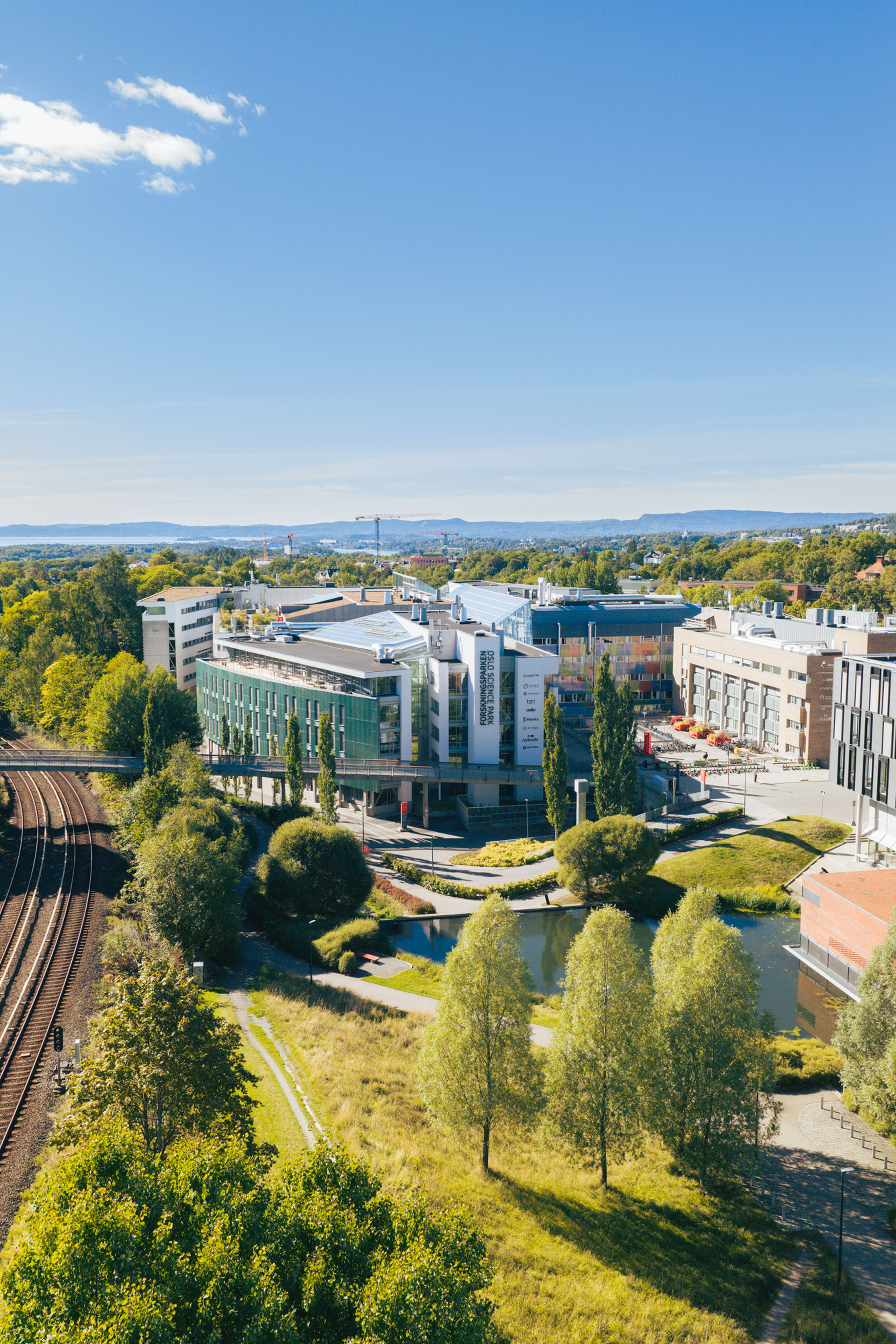
Oslo Science Park is now Miljøfyrtårn-certified. The certification covers the leasing, management and operation of around 60,000 square metres of office and laboratory space, and provides a fixed framework for measuring, managing and improving environmental work year by year.

Property Director Ingar Madsen at Oslotech, which operates Oslo Science Park, has led the certification work.

"Miljøfyrtårn isn't about a diploma on the wall. It's about a system that makes us set goals and follow up on them, so that environmental work becomes a permanent part of operations rather than a side project," says Madsen.

He emphasises that the certification is a starting point.

"We plan with a perspective of permanence. What we do today has to work for many decades, and Miljøfyrtårn is a tool that makes us a little better every year," he says.

Energy is the most important factor

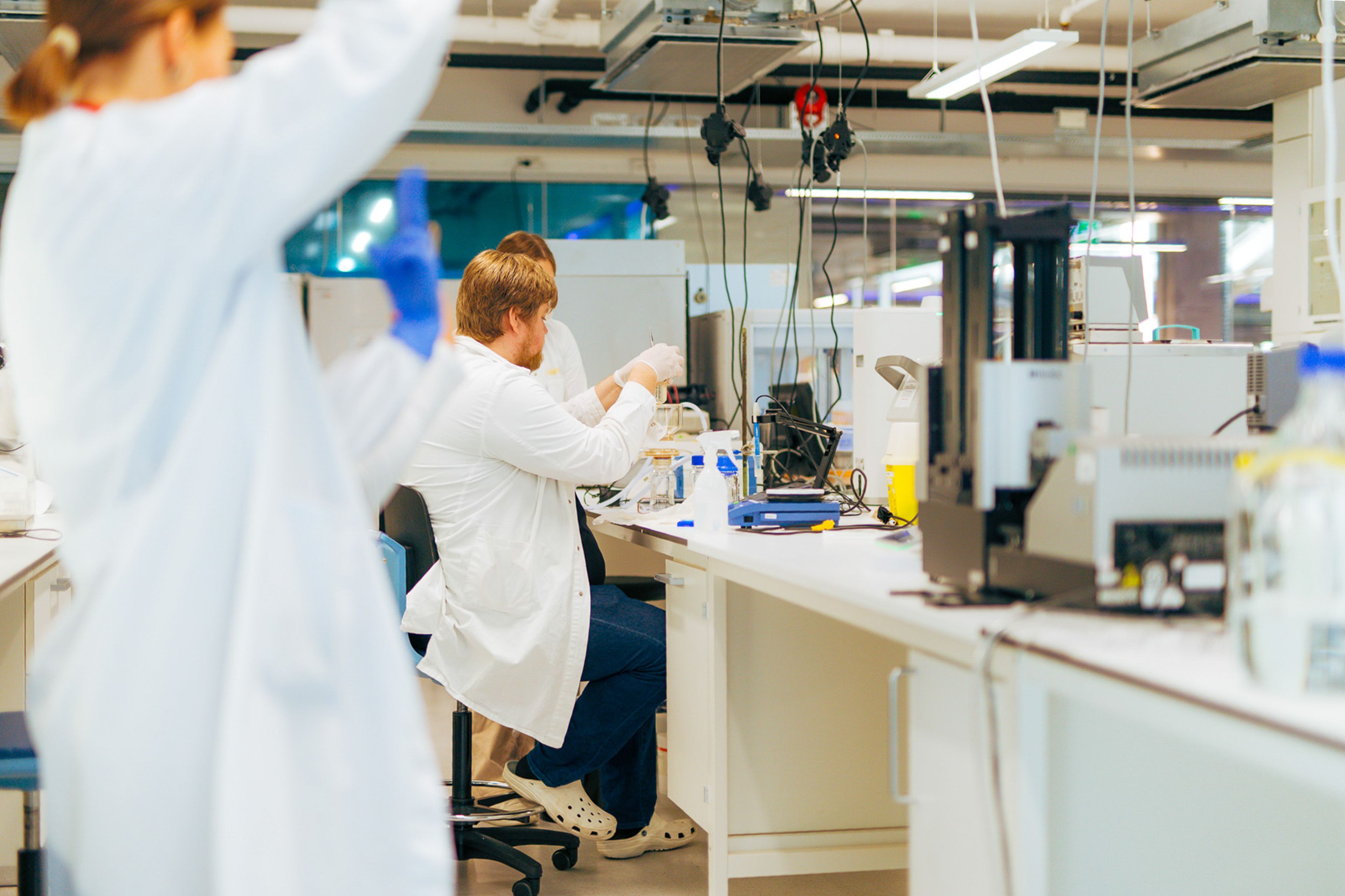
Energy use is the single factor that matters most for Oslo Science Park's environmental impact, partly because much of the floor space consists of laboratories.

Scientists in white lab coats work on experiments in a brightly lit laboratory filled with equipment and monitors.
15% of Oslo Science Park consists of laboratories.

"Laboratory space requires far more energy than ordinary offices, for example for ventilation and cooling. That's why energy counts the most in our environmental accounts and is what we prioritise most highly," says Madsen.

A key part of this work is the energy centre, a ground-source heating system that uses geothermal wells to heat the building.

"Building the energy centre is an example of how the gains often come in steps, when we upgrade ventilation and technical equipment, rather than as a steady curve from year to year."

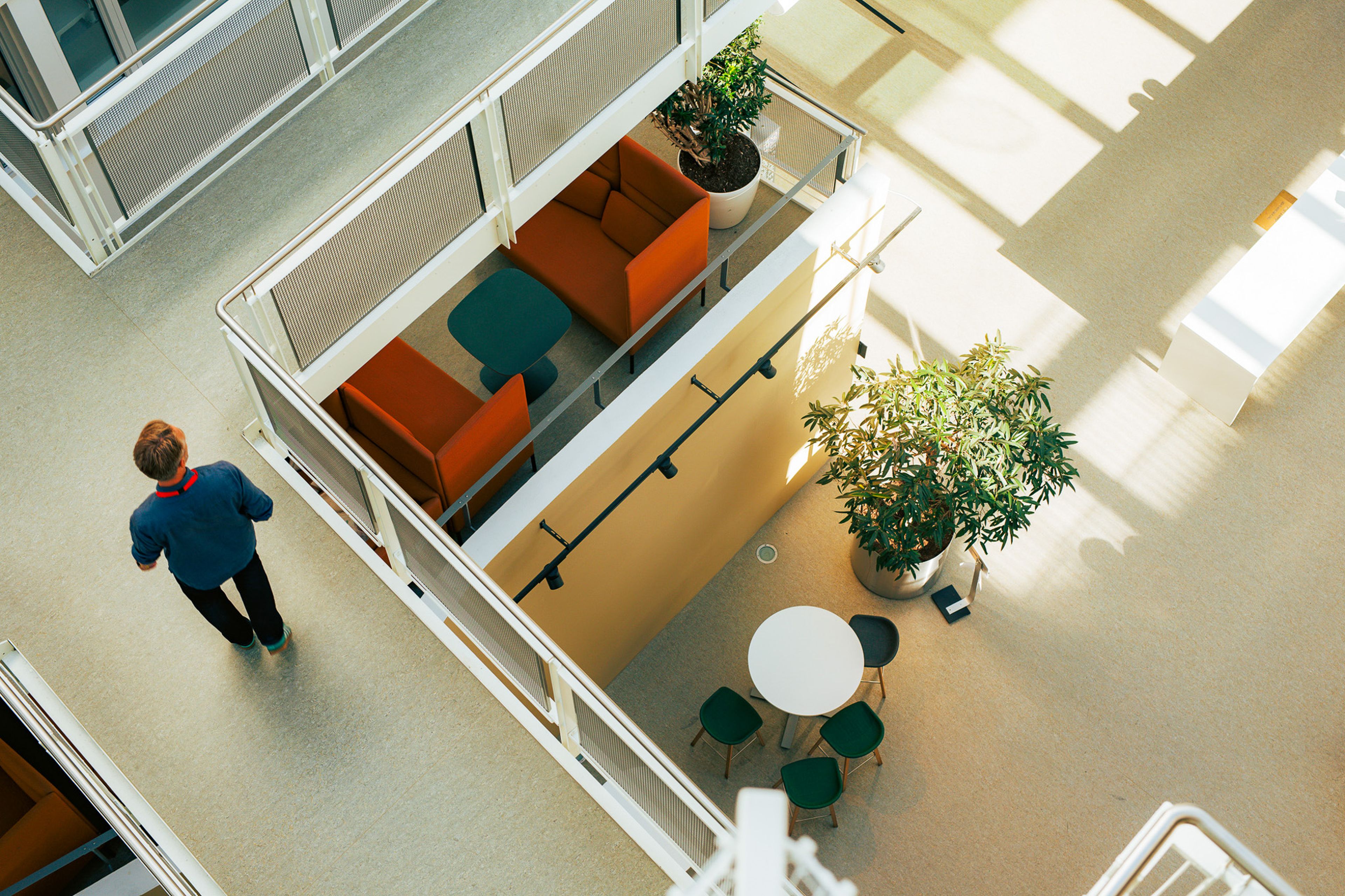
At Oslo Science Park, common areas, meeting rooms and infrastructure are shared between many businesses and used for a large number of events.

Sharing is an environmental measure

At Oslo Science Park, common areas, meeting rooms and infrastructure are shared between many businesses and used for a large number of events, so the buildings are used far more efficiently than if each company had its own premises.

"The most environmentally friendly square metre is the one used by many. And when companies can grow or shrink here without moving and rebuilding, we save both materials and waste," says Madsen.

In renovation and furnishing, the reuse of furniture, fixtures and building materials will be prioritised, and suppliers will have to meet clear environmental requirements.

"We can't make the environmental choices for each individual company, but we can make it easy to choose the right thing. That applies to everything from waste sorting and bicycle parking to safe routines in the laboratories."